
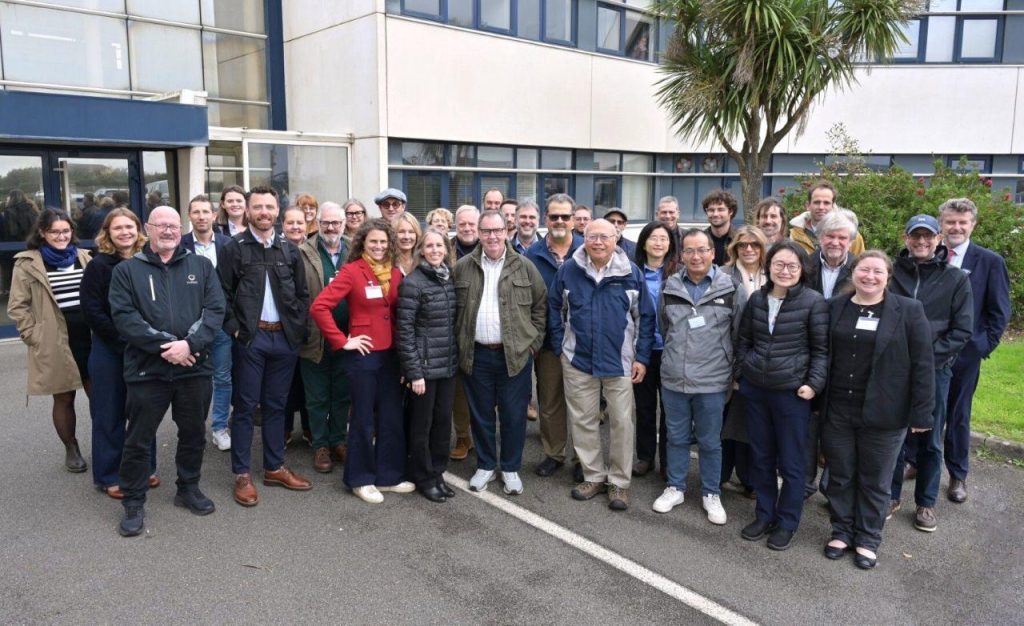
The International Technical Advisory Committee (ITAC) meeting, October 28-30, 2025, in Brest, France, offered a forum for knowledge sharing and information exchange to support outreach and communication for the industry to reach a broad community of stakeholders. (https://spillcontrol.org/2025/07/29/itac-announce-october-dates-of-oil-spill-response-conference-at-cedre-brest/). ITAC is a technical forum that was established in 1996 to address oil spill response (OSR) issues of interest to its member organizations and the wider response community. Originally, ITAC projects sought to provide advice, technical support, good practice guidelines, and benchmarking on key issues such as new technological developments in oil spill response techniques, training, and response capabilities, however ITAC has evolved over the last twenty years, and its model has changed in recent times. Recognizing that much of the delivery of industry’s technical outputs is now being channelled through the IOGP/IPIECA JIP and the API projects in the US, ITAC has now been cast in the role of supporting outreach and communication for those industry technical outputs to reach a broader church of stakeholders in the wider oil spill community. As such, ITAC no longer “delivers” tangible work items but now offers a forum for knowledge sharing and information exchange.
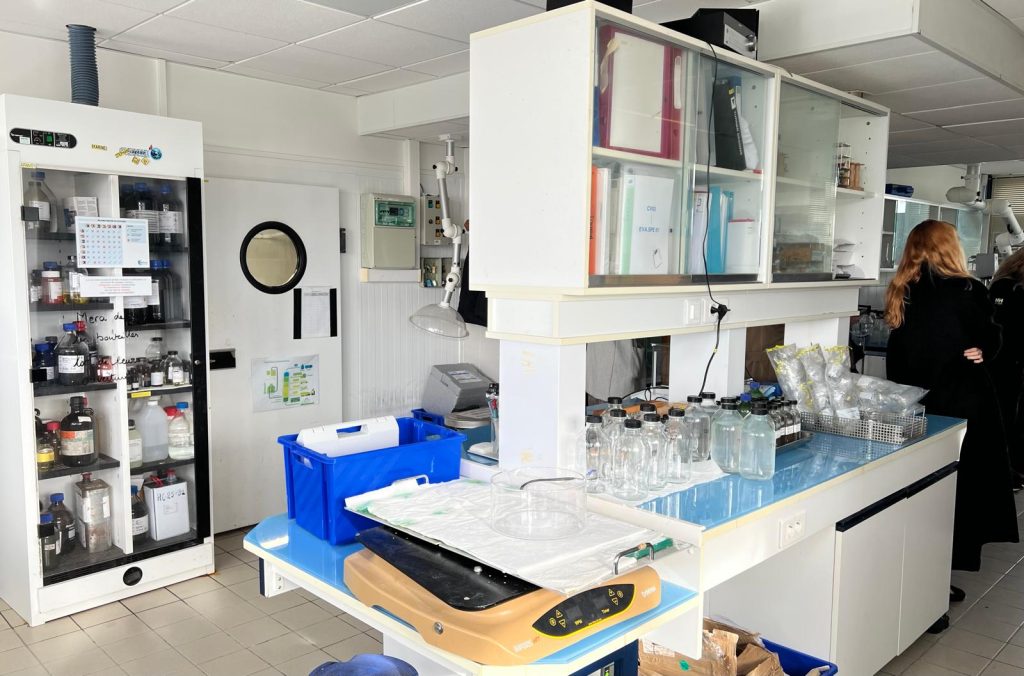
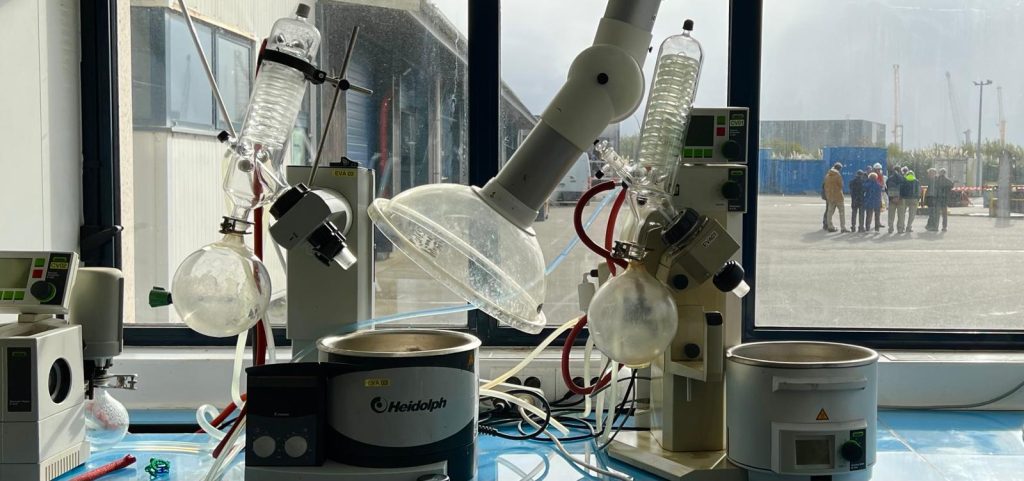
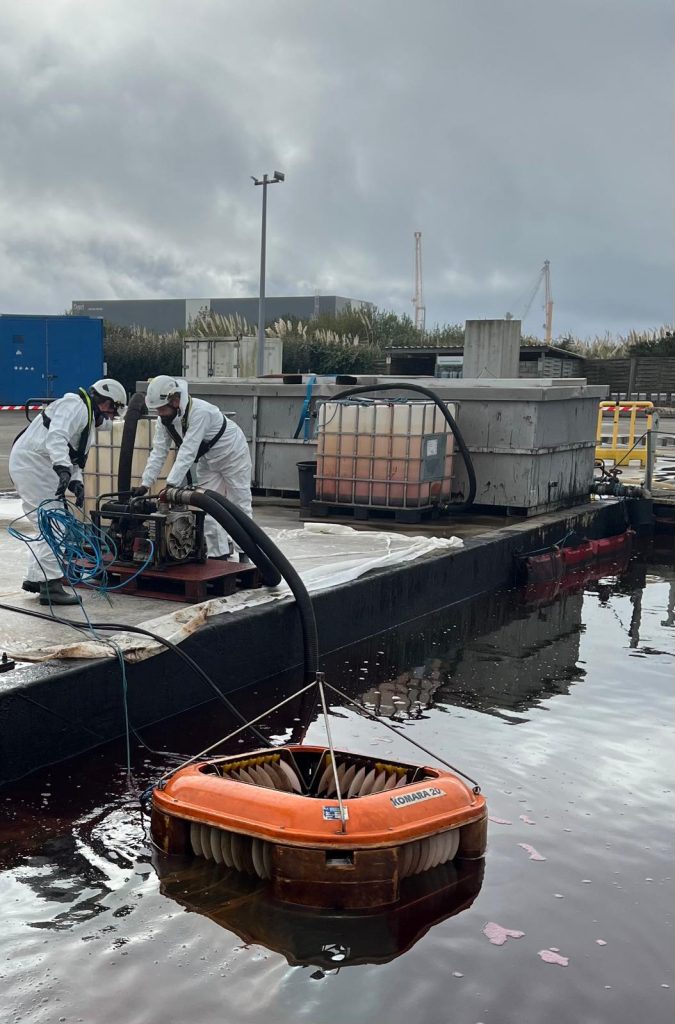
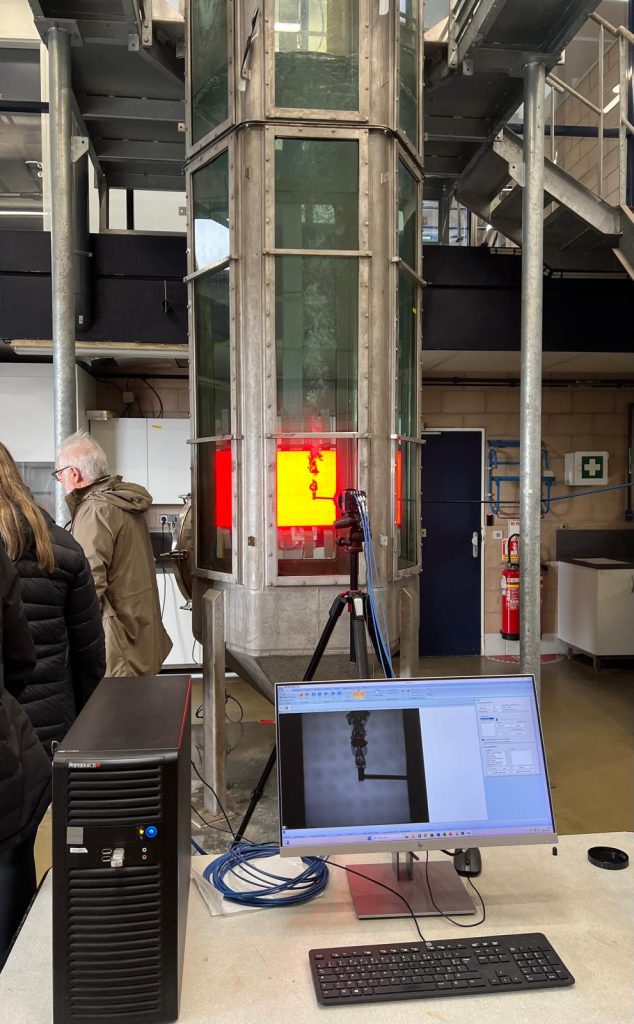
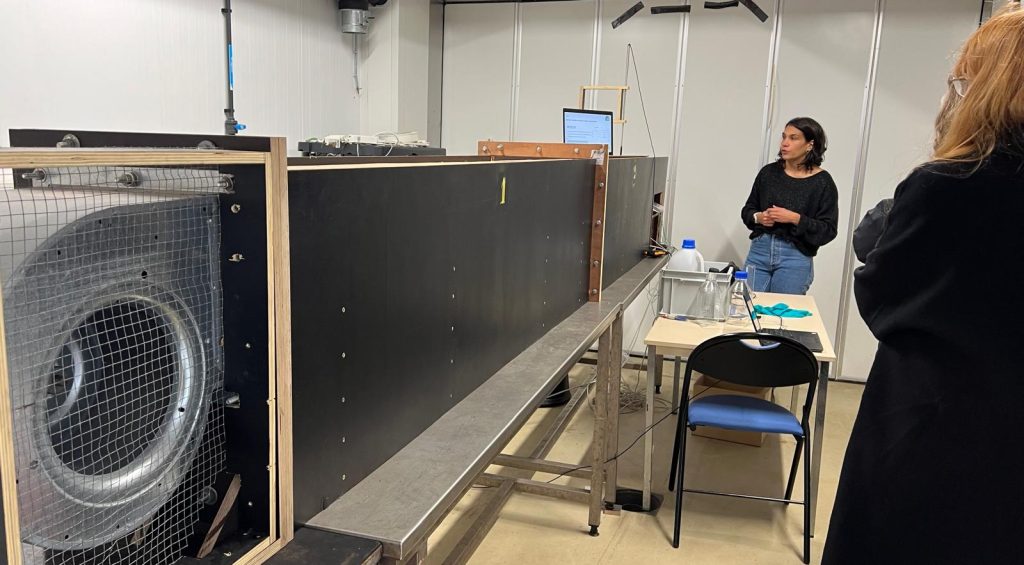
The meeting involved 30 speakers on subjects covering Alternative Fuels Response Research, Responder Retention and Wellbeing, Shipping Risks, Dispersant Use and Response, Plastics Response, Stakeholder Updates, and tours of the CEDRE research facilities and the French Navy Pollution Response Center in Brest.
Attendees and presenters represented organizations and agencies, which included Cedre, OSRL, Chevron, MCA, Blue Tack, IPIECA, UK Spill, Memorial University, BP, Shell, Waves Group, Clean Caribbean Associates, Nova Southeastern University, SINTEF, Oxy, CEFAS, ITOPF, EMSA, RLC, NOFO, SS&C LLC, JNCC, ISCO, and Maritime New Zealand.
ISCO presented twice, firstly a presentation by Peter Taylor and Rob Cox calling for OSR support information to be mandated on Bunker Delivery Notes (BDN’s) (see article in this edition of the ISCO newsletter), and secondly a presentation by Ed Levine (SS&C, LLC and ISCO Council Member) giving an update on the National Academies of Science, Engineering, and Medicine (NASEM) and the Gulf Research Program (GRP) series of workshops, the proceedings of which will be available in early November 2025. Ed announced the partnership between the GRP and the Natural Hazards Center at the University of Colorado to produce a webinar series for Next Generation Oil Spill Researchers that will consist of a 6-part virtual training series to prepare researchers and their community partners for a coordinated and scientifically rigorous research response in the event of an oil spill or other hazardous materials incident of national significance. Each training will feature expert speakers, community perspectives from across the Gulf region, and Q&A. These sessions are designed to enable future post-disaster research that is interdisciplinary, built upon long-held regional expertise, and rooted in community needs.
Additionally, there will be a Community of Practice (CoP) to connect scholars, decision-makers, and community leaders through a dynamic LinkedIn page. The goal of this CoP is to strengthen relationships between veteran and next-generation oil spill researchers and to facilitate knowledge exchange across disciplines and organizations. The CoP page will be regularly updated with resources, recent publications, and other materials to support applied research and cultivate the next generation of researchers.
To further the impact of oil spill research, the GRP will, in the event of a future oil spill or hazardous materials incident that causes significant environmental contamination, economic losses, social disruption, or negative public health consequences in the Gulf, a call for Oil Spill Research Award proposals will be issued. Up to 10 awards of between $100,000 to $200,000 will provide researchers with funding to rapidly and responsibly collect perishable data. All teams will prepare data publications and research reports to inform community recovery.
Thanks to Ed Levine for preparing the NASEM and GRP report back and Rupert Bravery for the photography,